USE CASES

Where there is an agreement,
there is a signature.

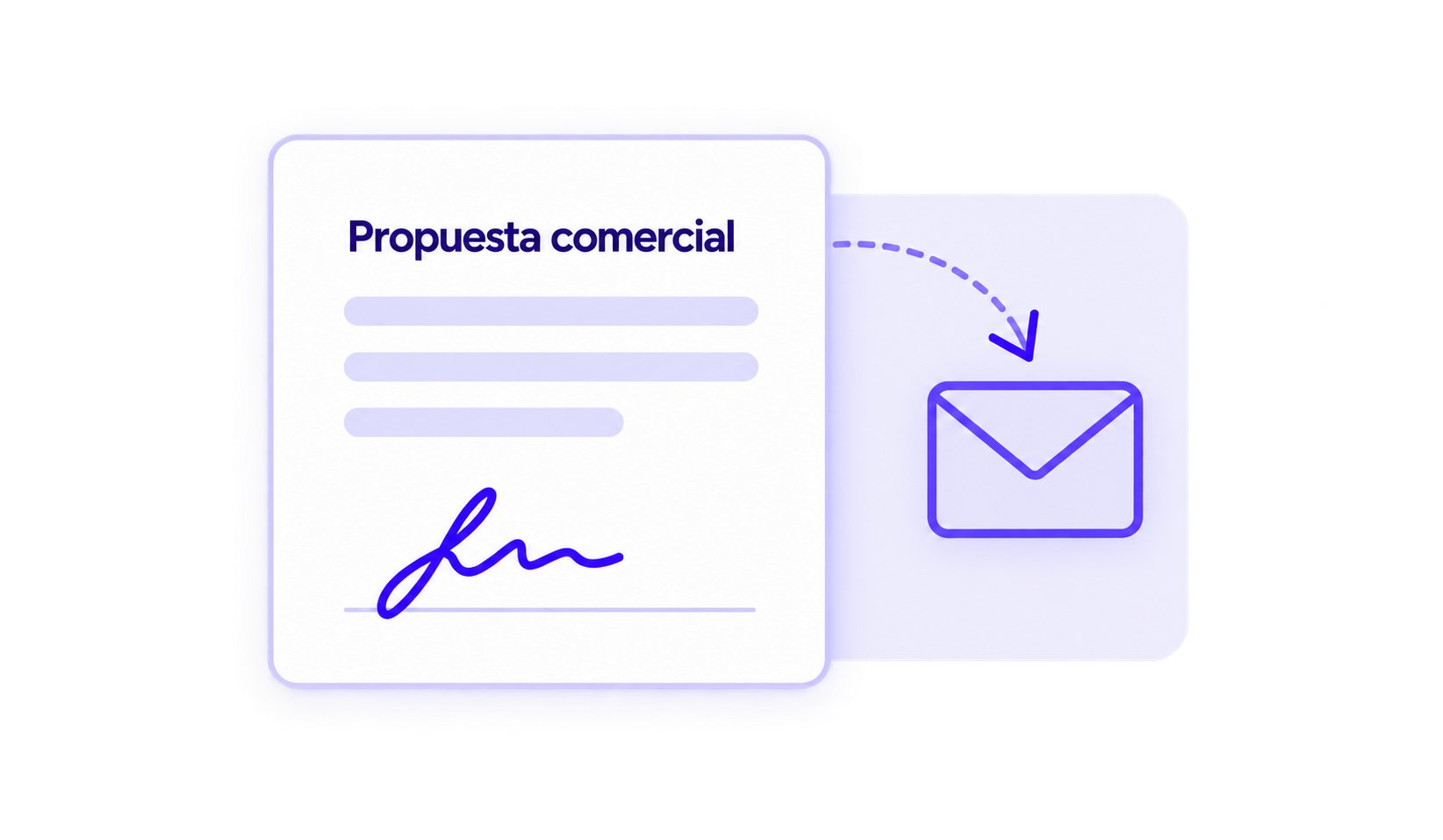
Fintech, platforms, regulated companies, and real estate sign with Lexgo Sign: by API inside their product, or on the web.

The same signature, in each industry's flow.

Fintech and factoring

An assignment or a loan cannot wait for a signature outside the flow.

Assignments, mandates, credit agreements, promissory notes, and onboarding.

From 4.70 USD

A 2-signature credit agreement and one advanced promissory note.

API + biometrics

See the API
SaaS and marketplaces

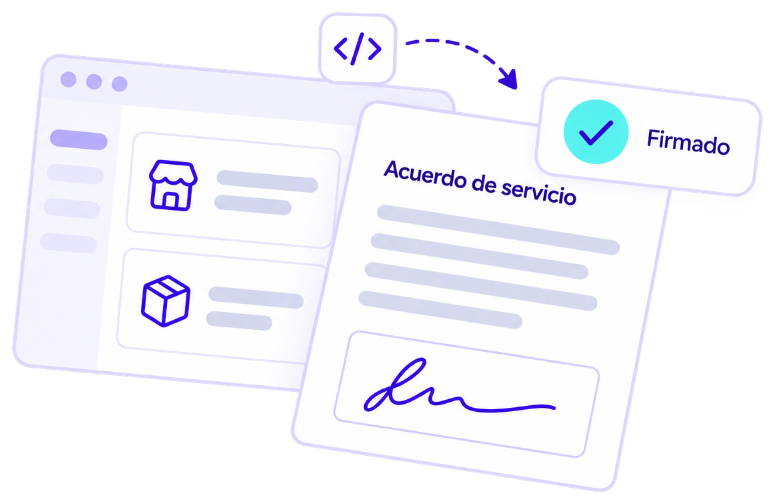
The agreement with a seller or a merchant has to be signed inside the product.

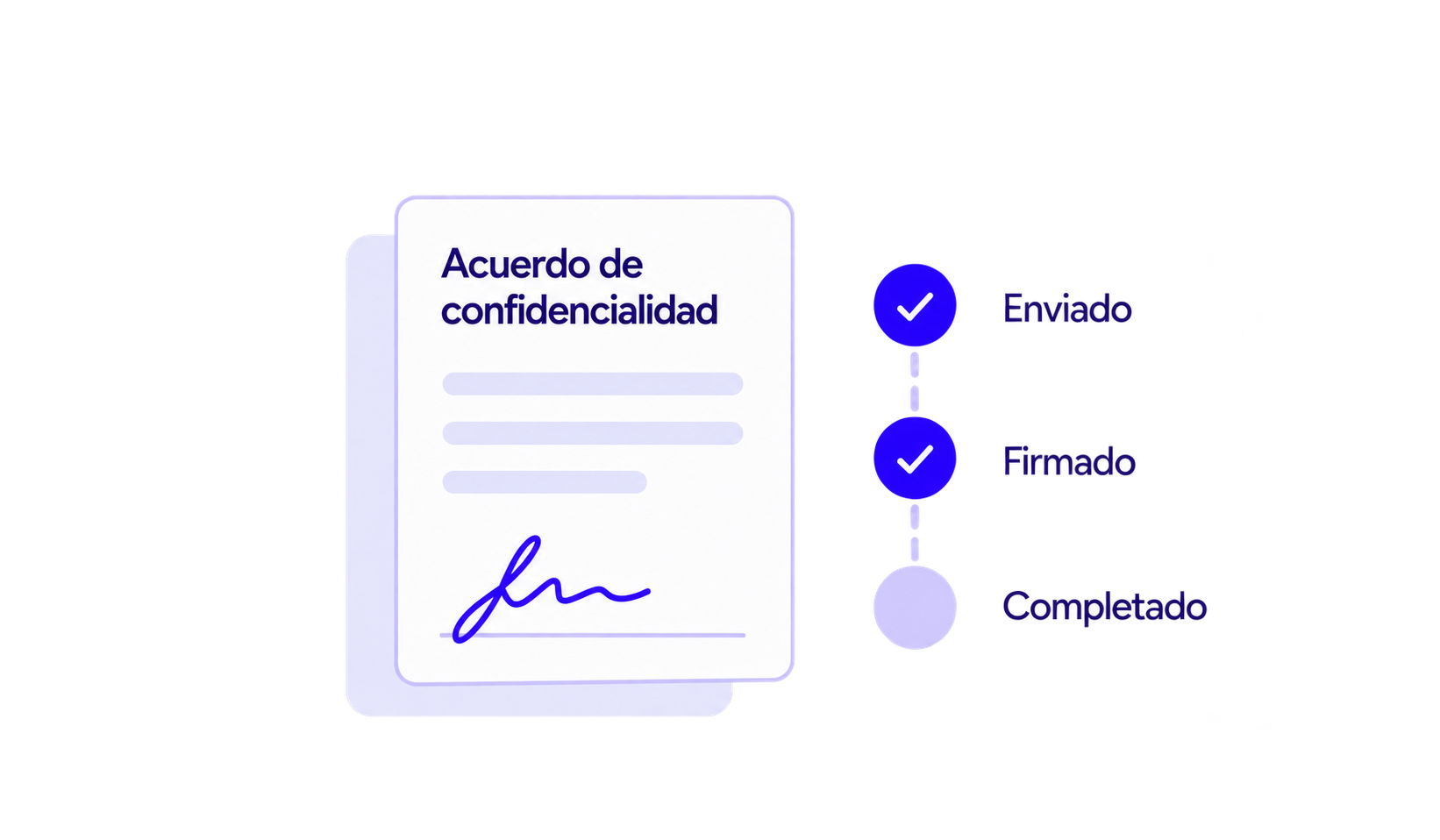
Subscription agreements, terms with sellers or merchants, and NDAs.

From 2.00 USD

A 2-signature agreement.

API

See the API

Regulated companies and boards

Minutes need a trail, not an email chain.

Board minutes and corporate documents.

From 8.10 USD

Board minutes with 3 advanced signatures.

Web + FEA (advanced electronic signature)

See web plans

Real estate and shopping centers

A lease with several signers stalls when everyone has to travel.

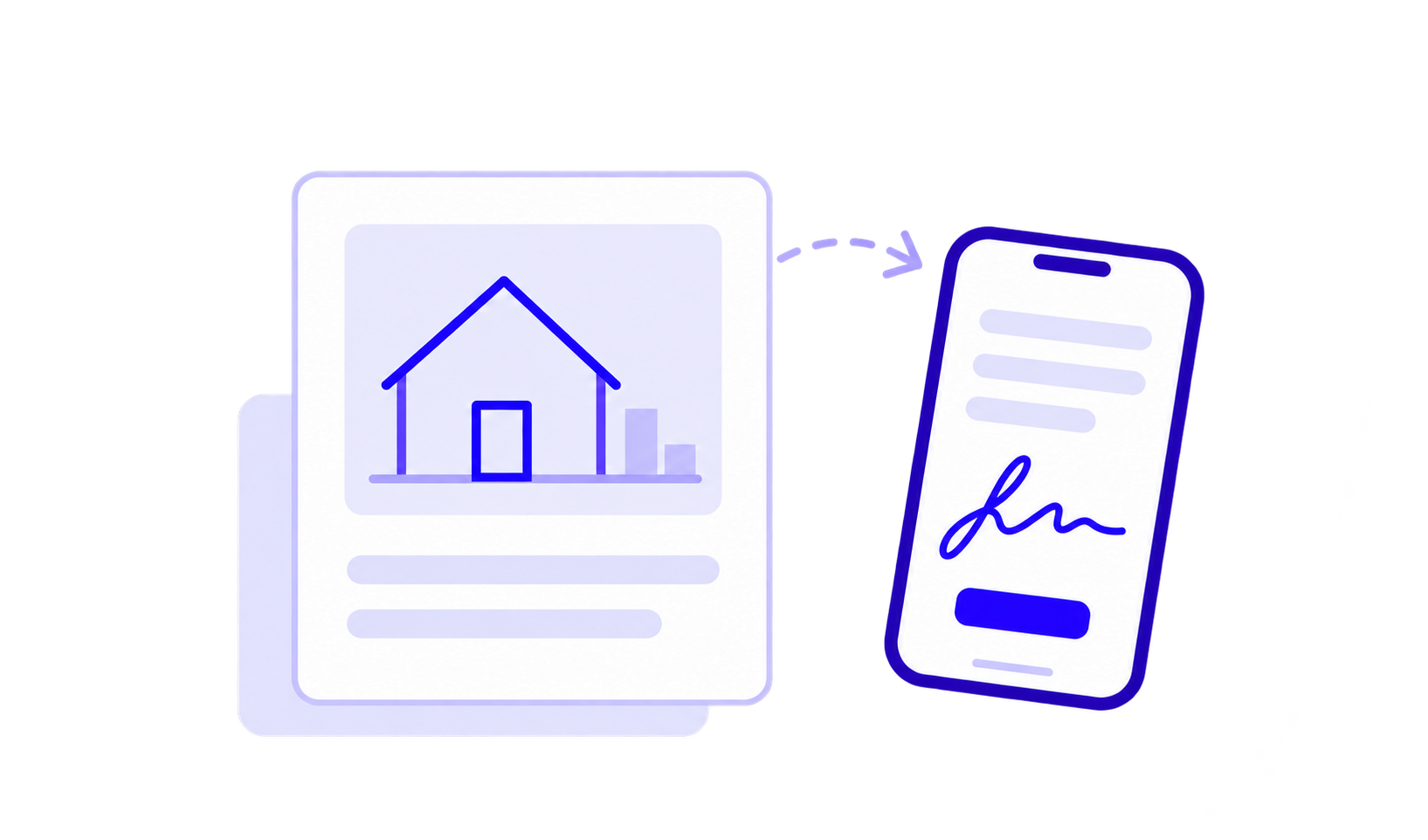
Leases with several signers, promises, and addenda.

From 2.40 USD

A lease with 3 signers.

Web

See web plans

HR and companies with large teams

Contracts and addenda multiply as the team grows.

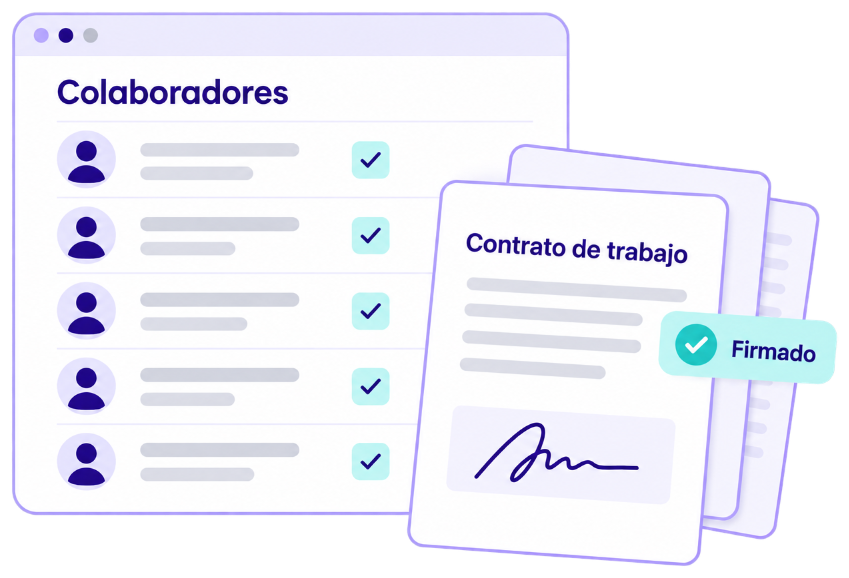
Employment contracts, addenda, and policies.

From 1.60 USD

A 2-signature employment contract.

API or Web

See web plans

Platforms and partners

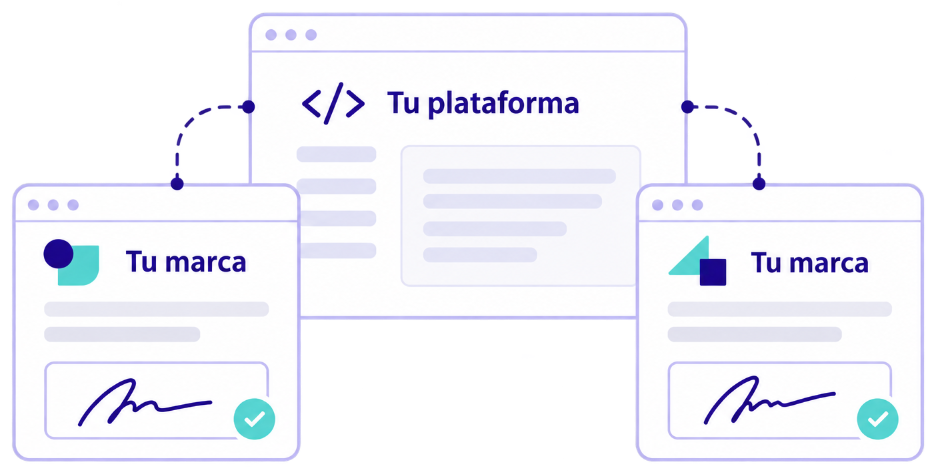
Your customers should sign under your brand, not someone else's.

Signing for the platform's own customers, under the brand that offers it.

From 1.00 USD

1 signature from the customer.

API with your own brand

See the API

FES and FEA in contracts

FES is the simple electronic signature. FEA is the advanced electronic signature. Both are legally valid. What changes is the backing each document needs.

FeatureFES (simple electronic signature)FEA (advanced electronic signature)
Legal validityYesYes
Main useEveryday private contractsContracts that need stronger backing or a legal requirement
Identity checkDepends on the system usedIdentity verified with an accredited certificate
SecurityDepends on the implementationStronger legal and technical requirements
Evidentiary weightGeneral rulesGreater legal weight
CostUsually lowerUsually higher
When it is requiredThe usual rule for private contractsOnly when a rule or a formality requires it
ExamplesEmployment contracts, NDAs, and service agreementsCertain electronic public instruments

Important: FEA (advanced electronic signature) does not turn a private contract into a public deed, and it does not replace a notary.

Which one fits?

FES (simple electronic signature)

Usual choice

For everyday contracts, signed quickly and with legal validity.

Examples: service agreements, employment contracts, NDAs, and addenda.

FEA (advanced electronic signature)

When you need stronger proof of who signed and that the document was not changed, or when the law requires it. Chile only.

Examples: private contracts with a higher risk of dispute, and certain electronic public instruments.

Your next agreement starts here

See web plans

The signature type and the requirements depend on the document and the country.

Lexgo Sign | Use cases